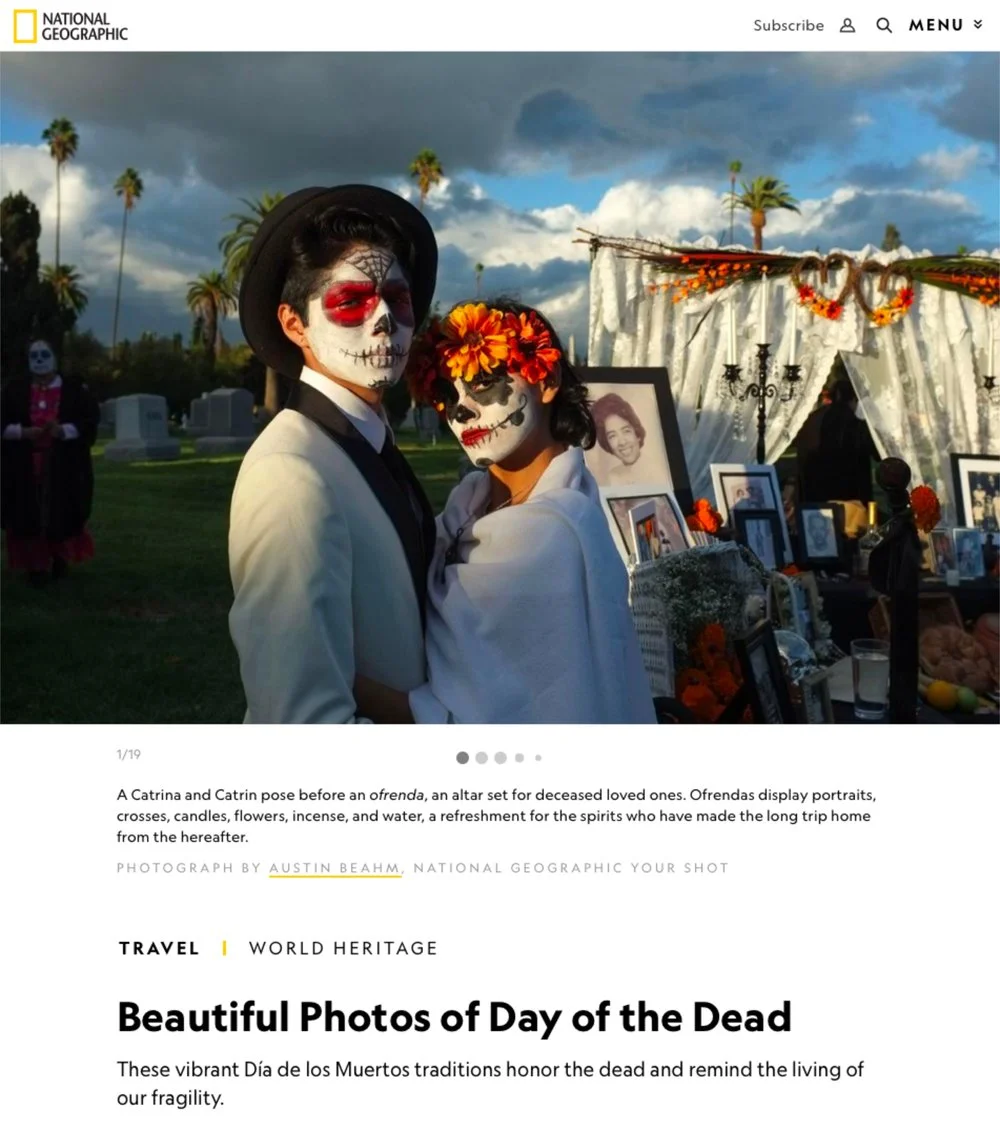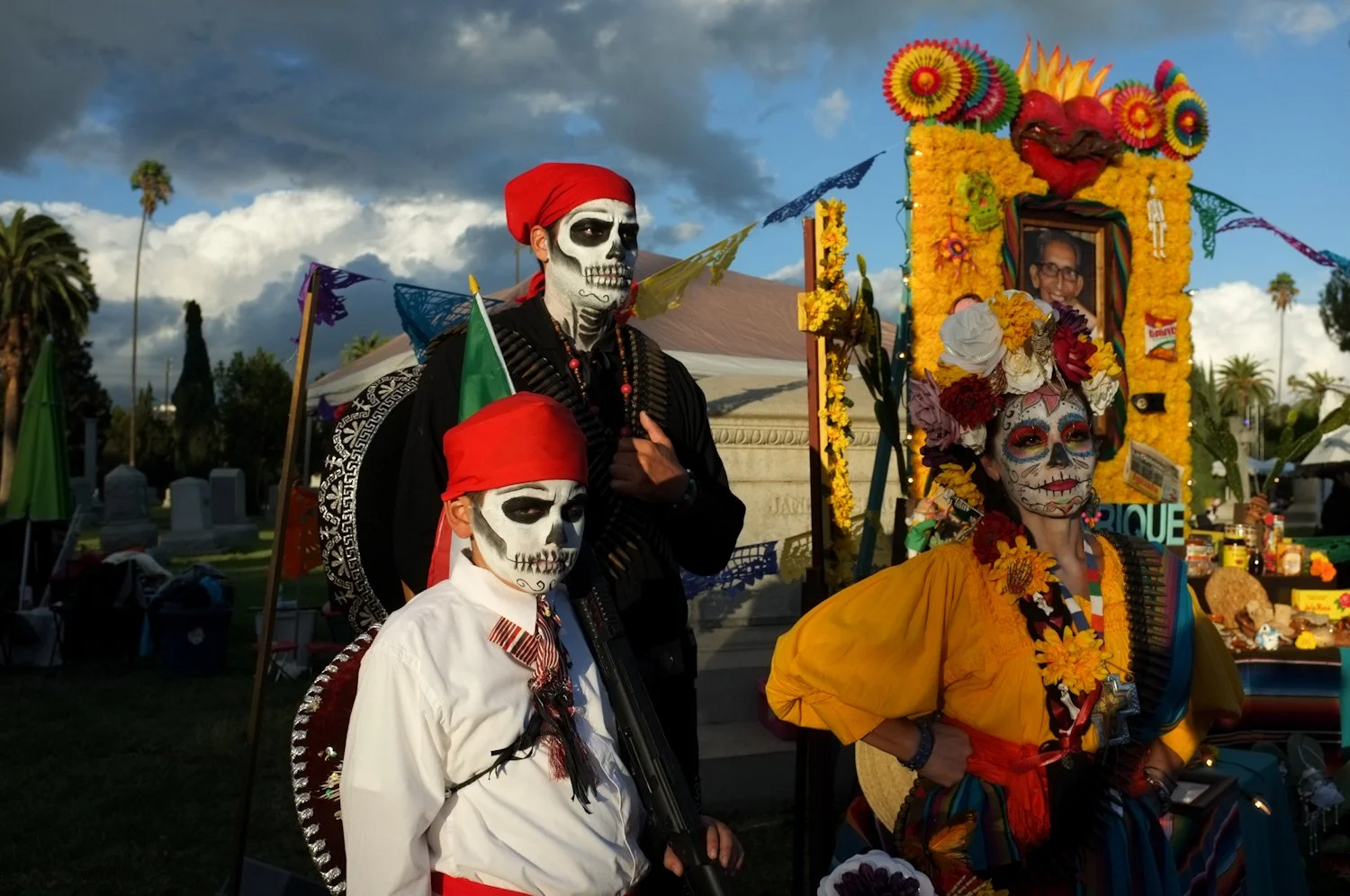
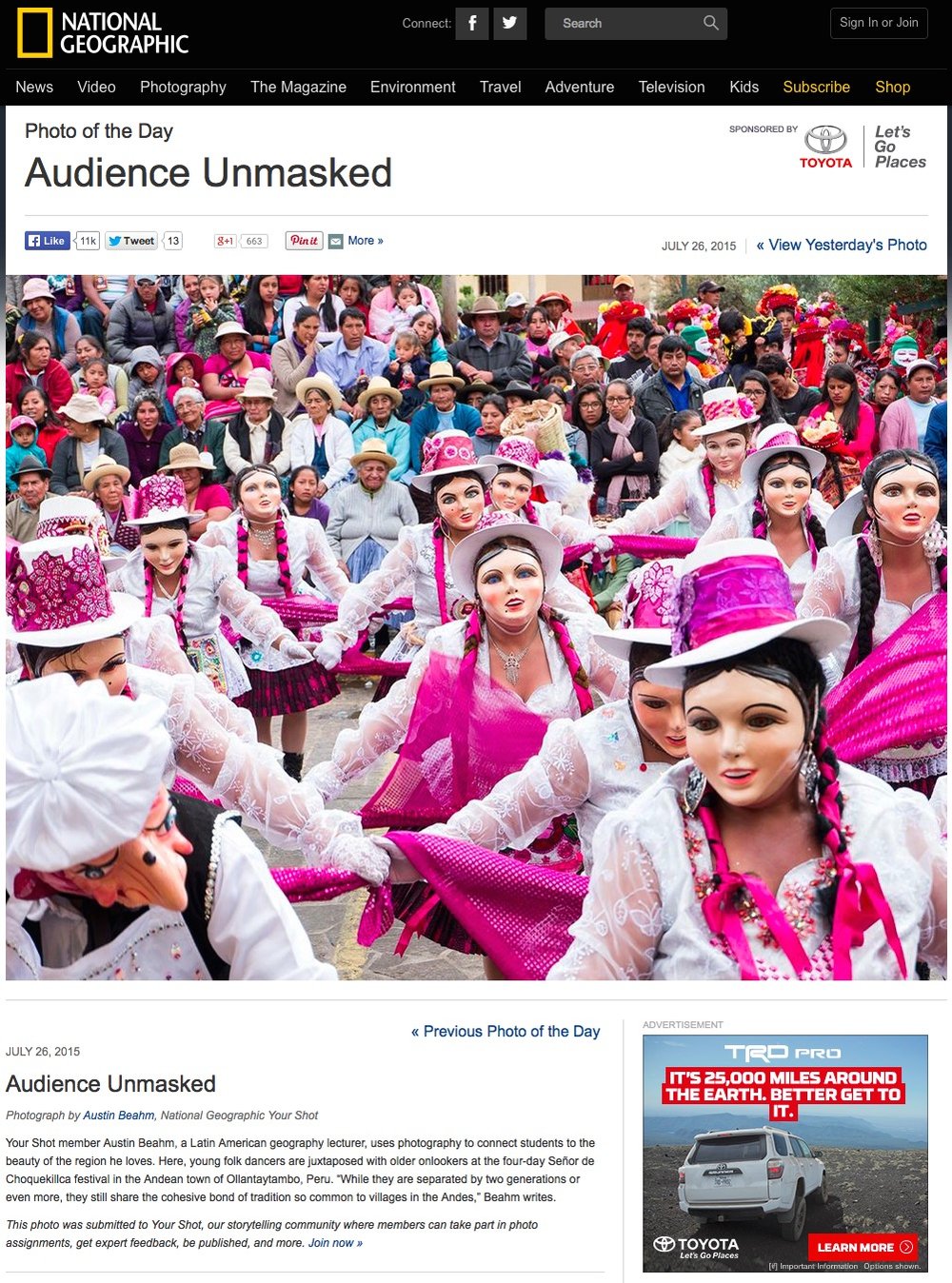
I’m a professor of global studies and geography from California. For two decades, I’ve traveled and worked in Latin America and Asia with a camera by my side. Many of my pictures are taken to teach students. Some have appeared with National Geographic, including a 2018 story titled “Beautiful Pictures of Day of the Dead”, a 2015 “End Poverty” exhibit between National Geographic and the World Bank, and a 2014 “Your Plate” exhibit at the National Geographic Museum.
Recent Travels
Japanese Free-divers
A series on the “Ama” free-divers in rural Japan. Shot on location in Japanese fishing villages with generous grant funding from California State University, Long Beach.
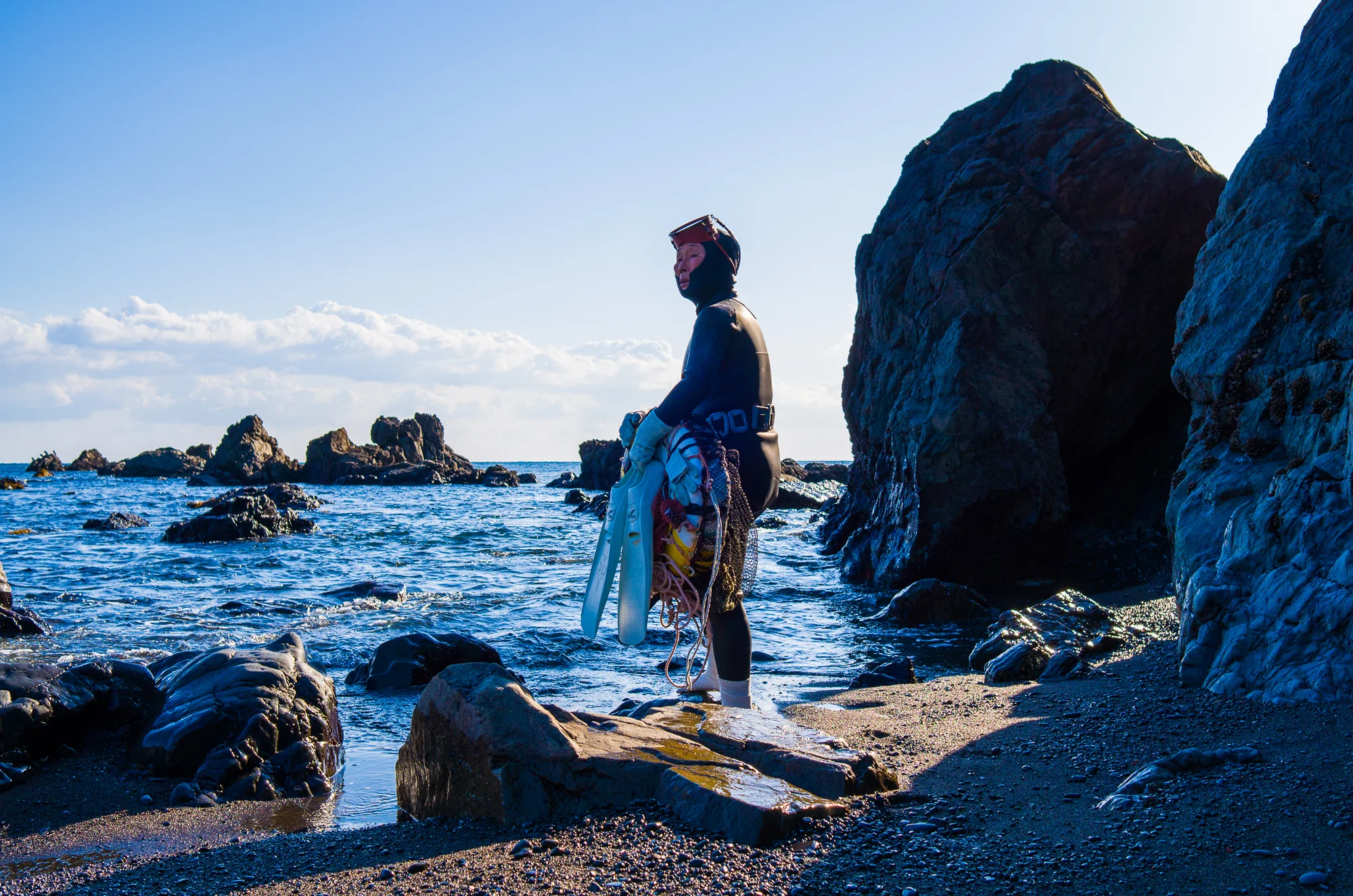
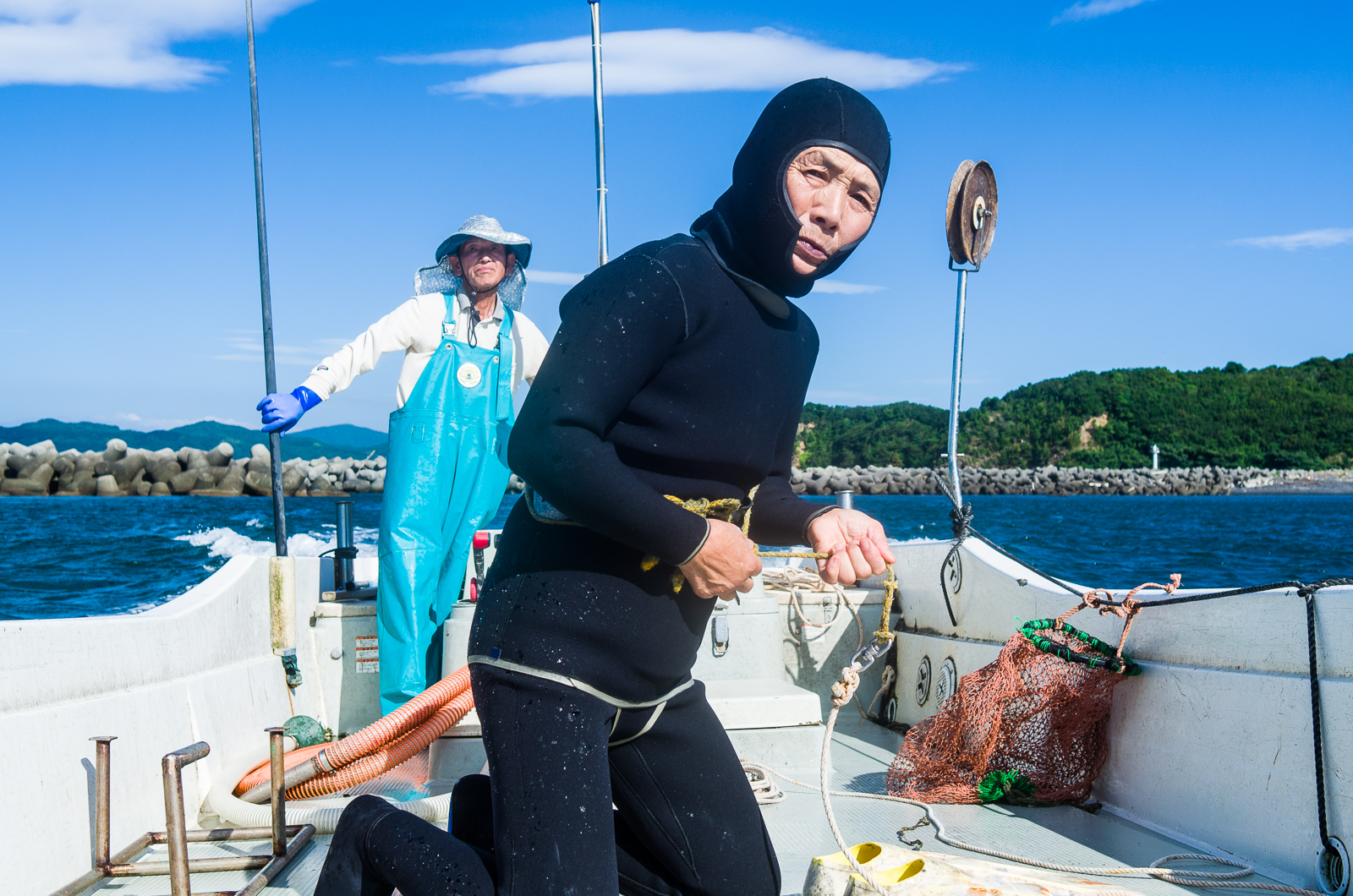
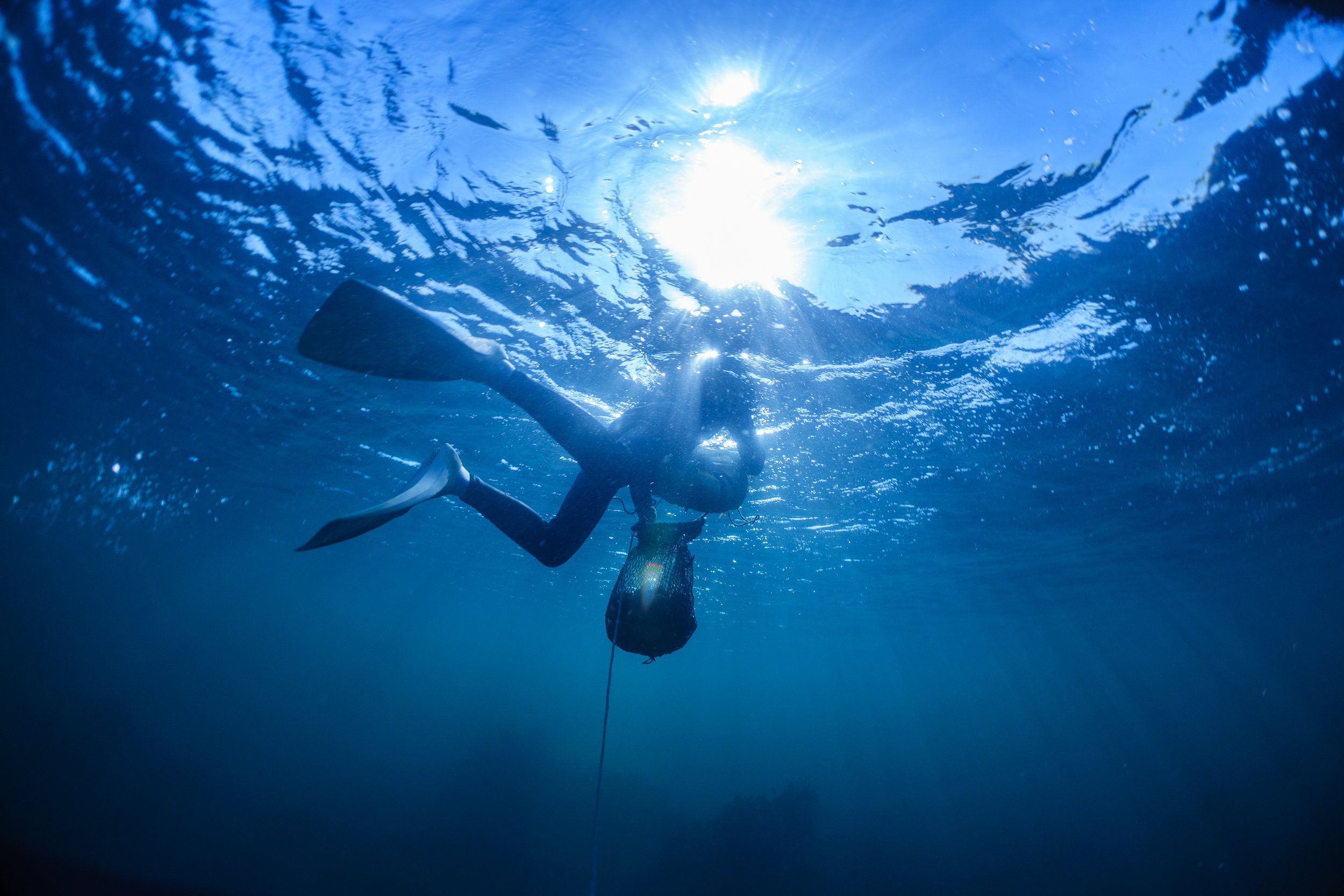
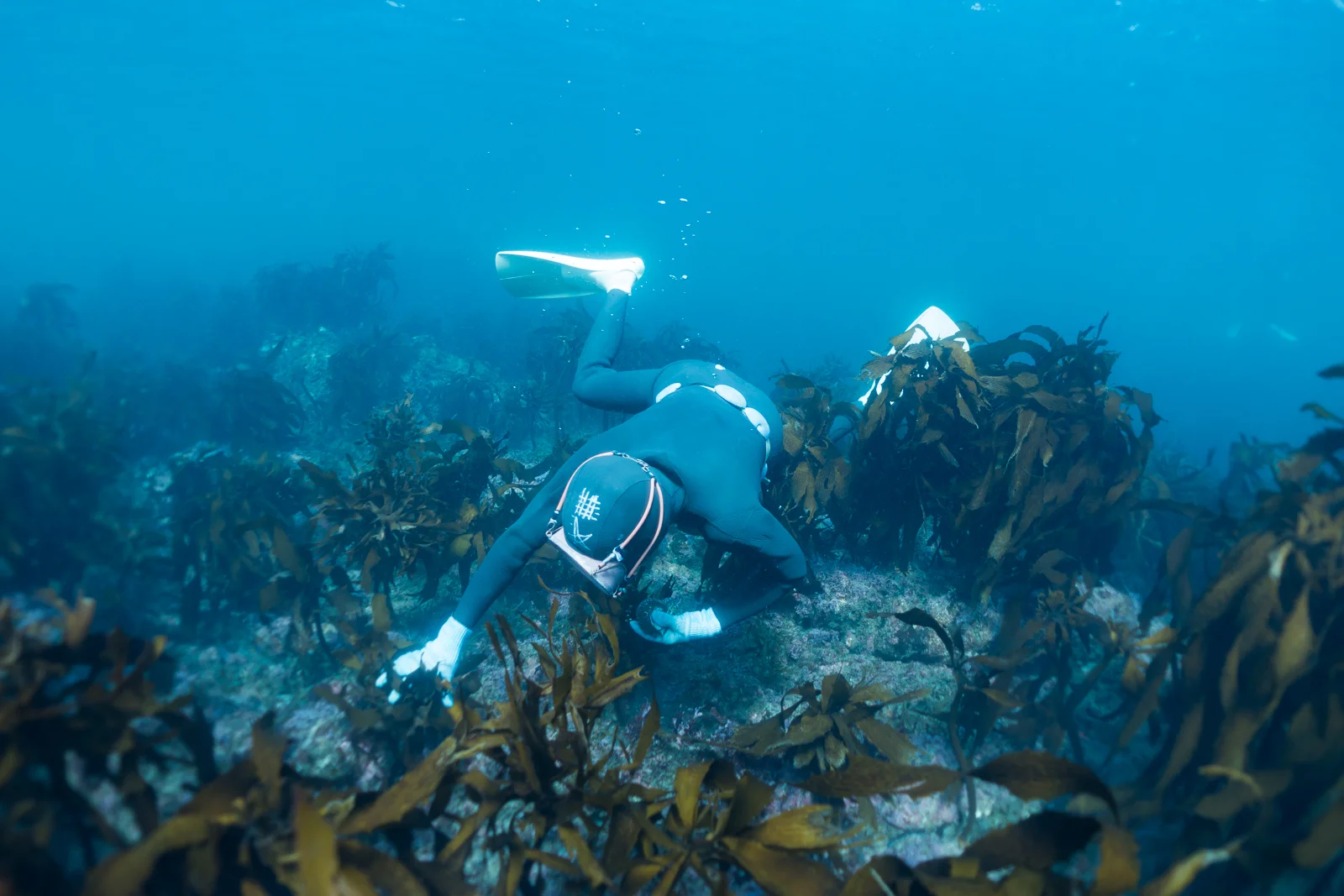
For over two thousand years, the "Ama" of Japan have been free-diving the open Pacific Ocean for shellfish.
“Funado” divers are deep water divers who work off shore. There are increasingly few of them remaining in Japan.
Most veteran divers haunt the same grounds for decades. Their knowledge of the reef is borne of countless hours of diving.
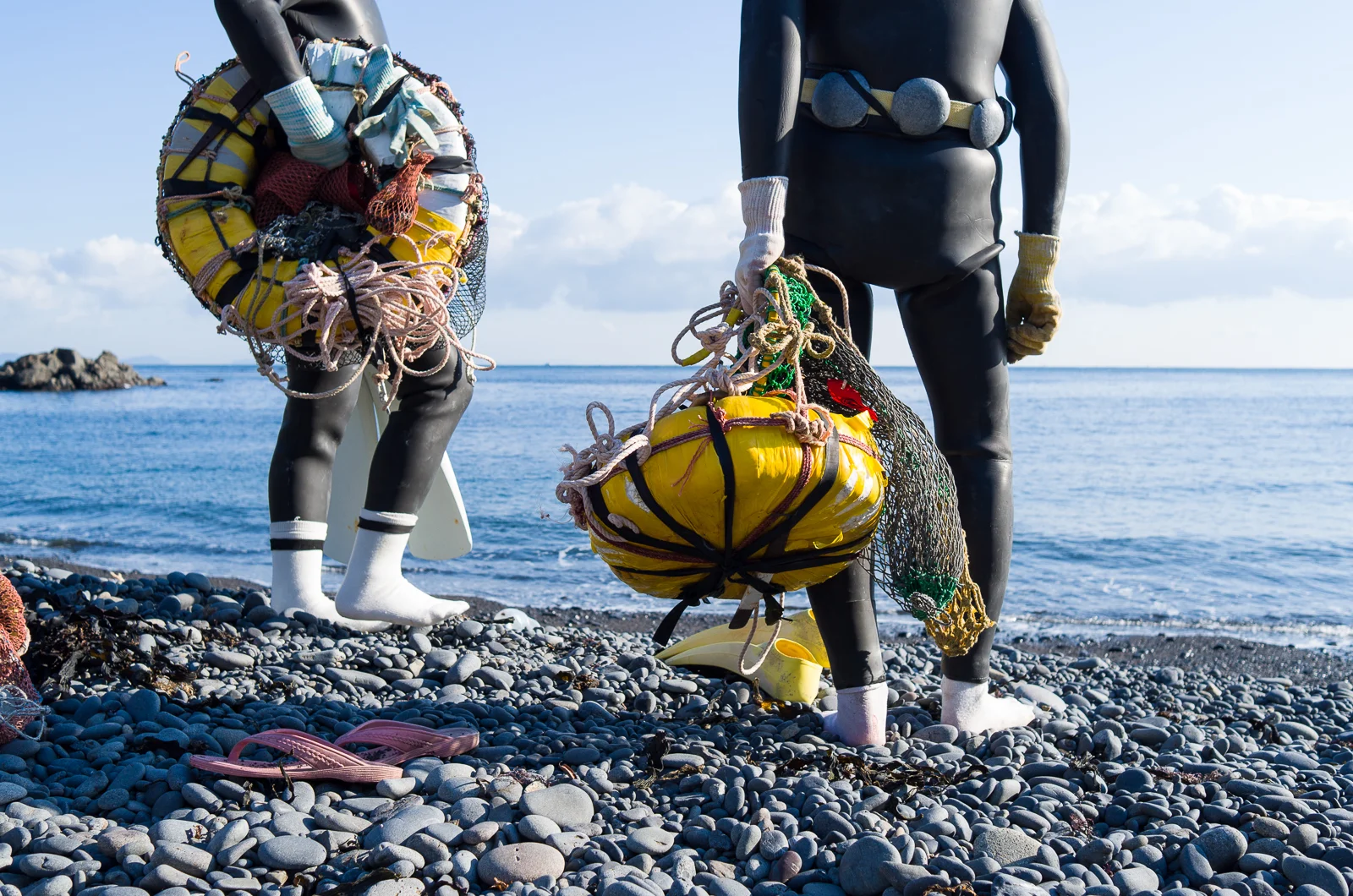
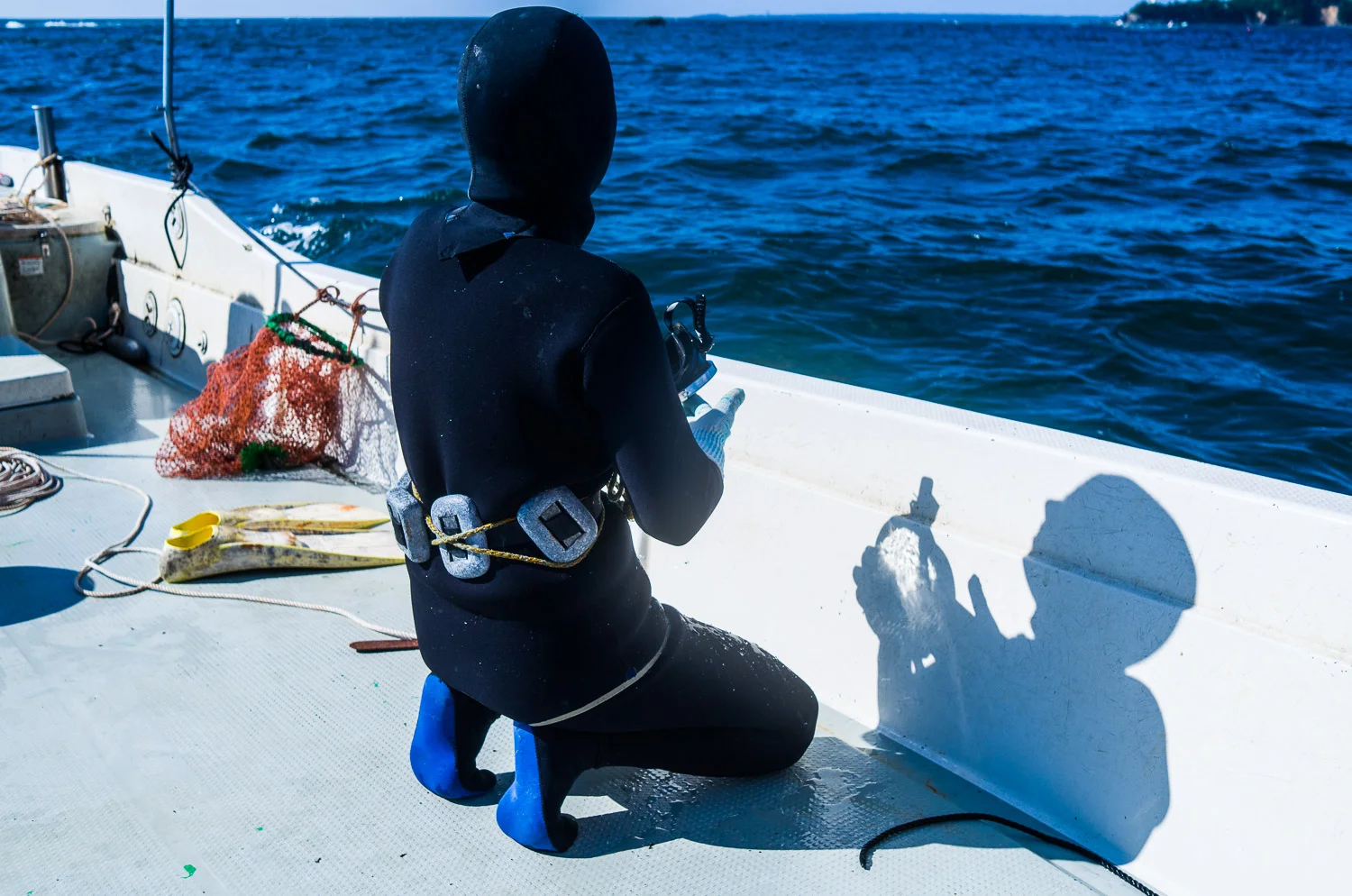
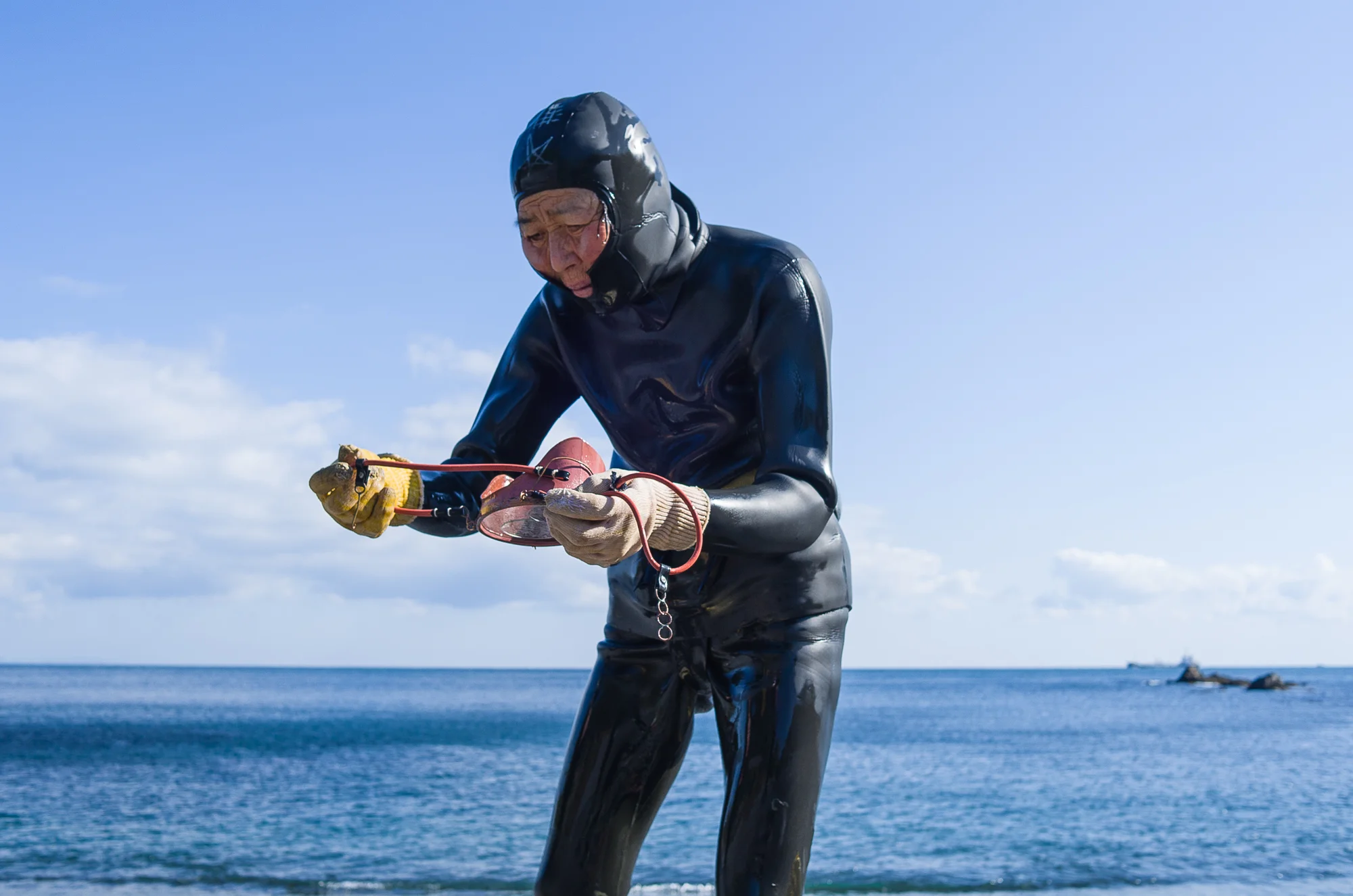
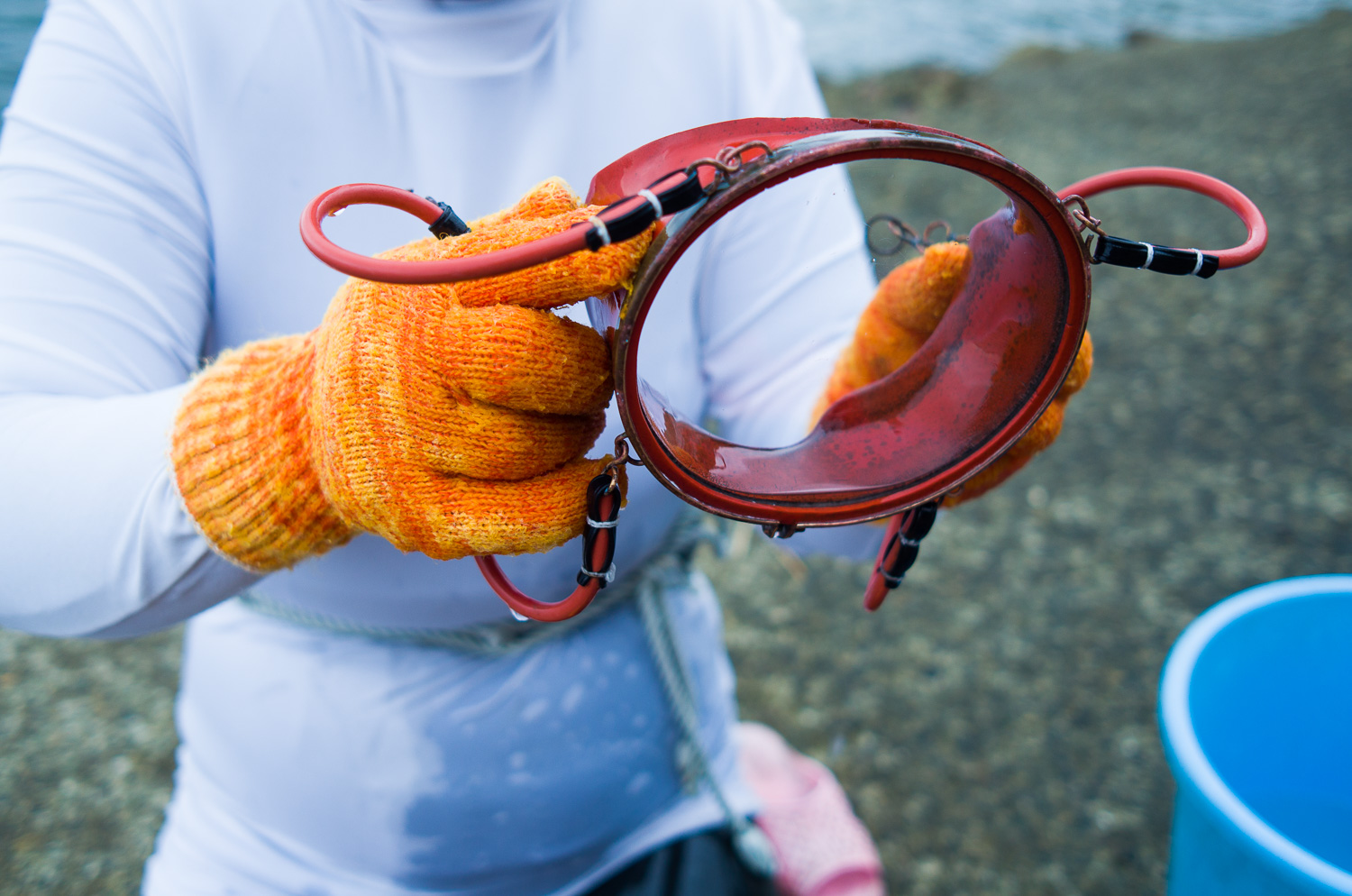
The tools of the diving trade are few and simple. A weight belt, float, and net. Fins and wet suits were added only in the 1960s.
Free-diving or breath-hold diving is done without oxygen tanks and is difficult and dangerous work.
Etched into the hood of diver’s wetsuits are the "Seiman" and "Doman" symbols thought to ward off danger.
Traditional masks don't permit divers to equalize their ears to release pressure from descent, leaving many with ruptured ear drums.
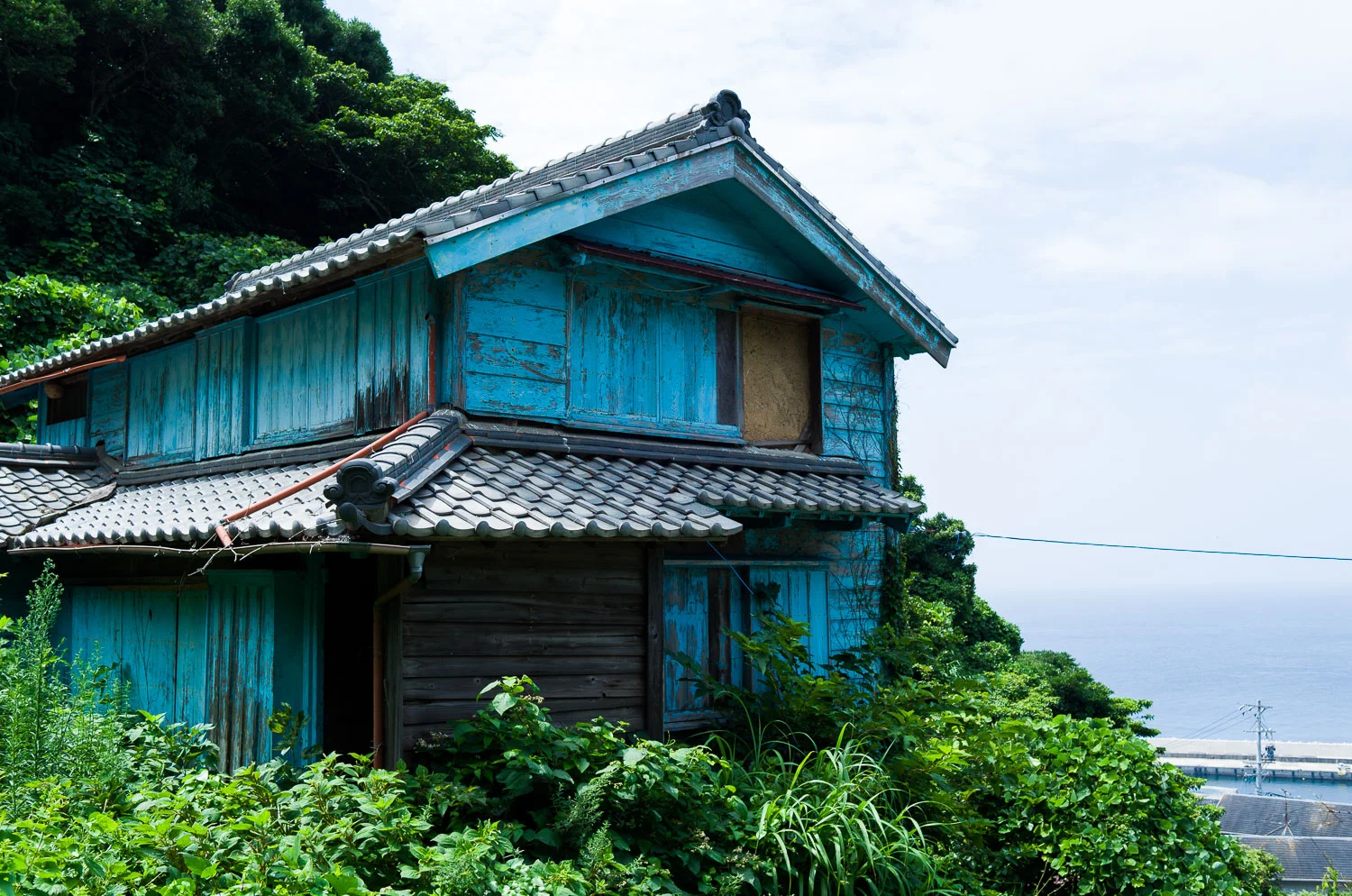
A boarded up home on Kami-Shima island. Many youth forgo Japan’s remote coastal areas today for life in the city.
Thailand’s Aspiring Fighters
A series about the poor and aspiring fighters that inhabit the world of Muay Thai kickboxing. Shot in Bangkok’s historic fighting arena’s and the gyms where fighters live and train.
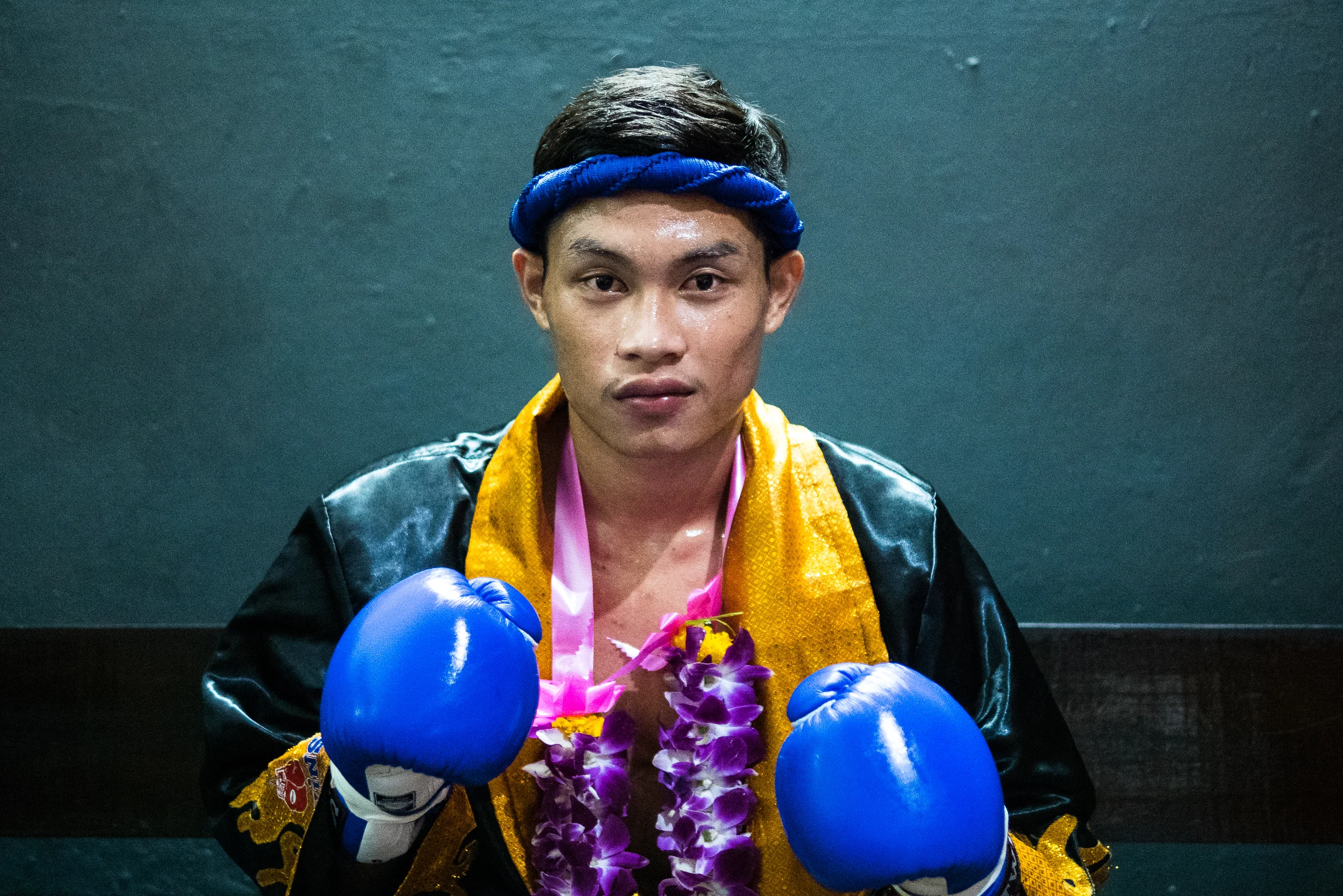
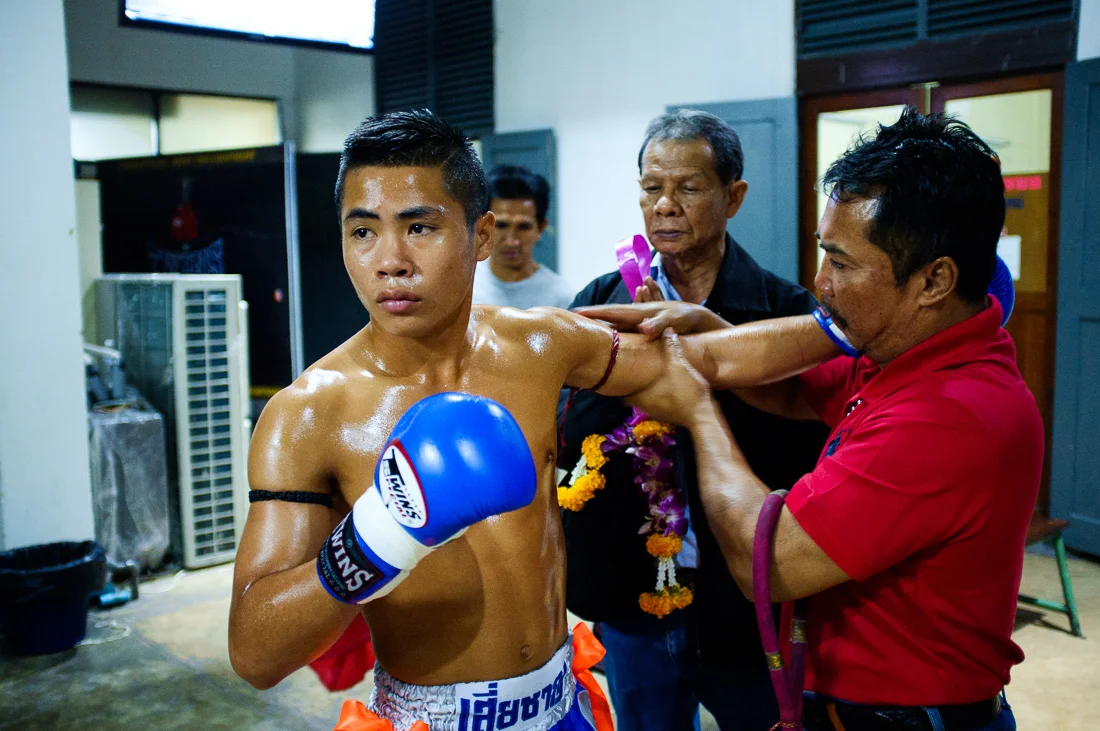
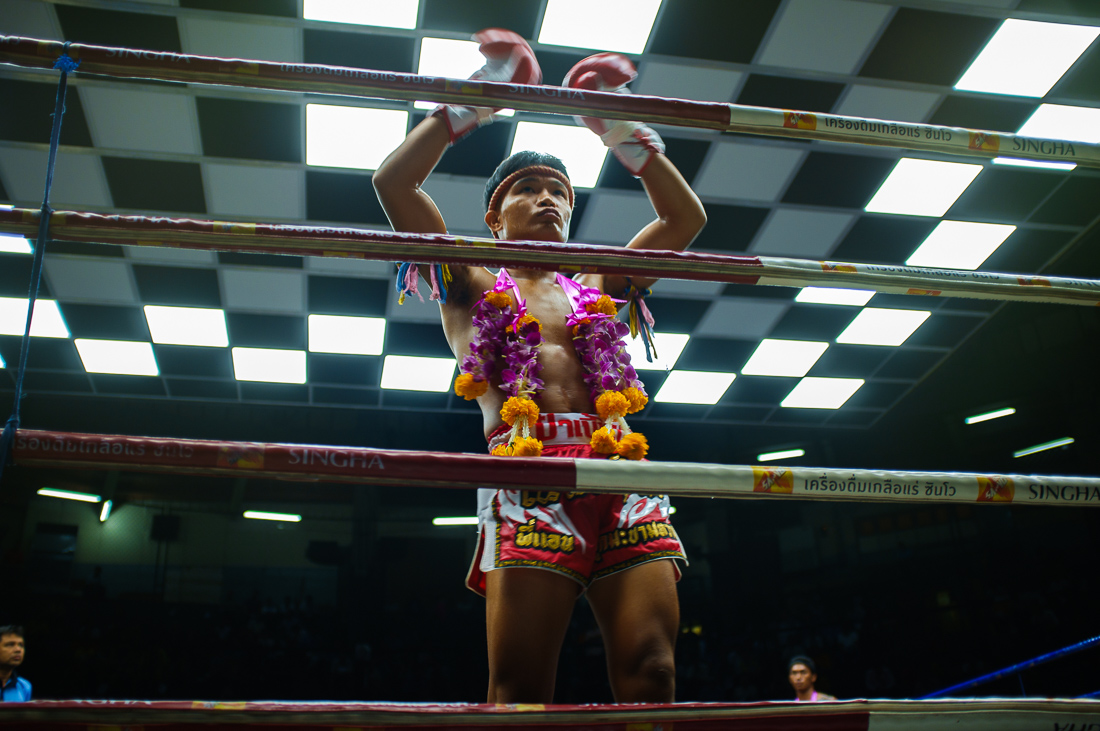
A portrait of a fighter just moments before battle. Bangkok's historic Rajadamnern Stadium dates back to 1945.
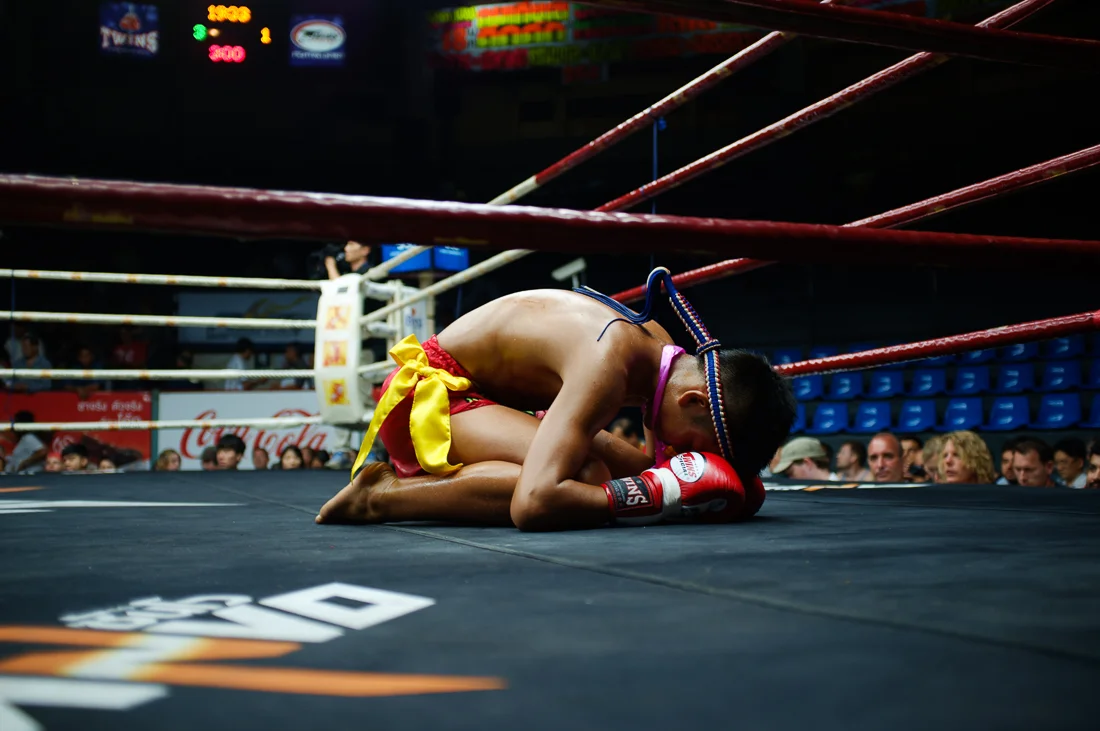
The Wai Khru ceremonial dance pays homage to teachers and past fighters while sealing the ring from malicious spirits.
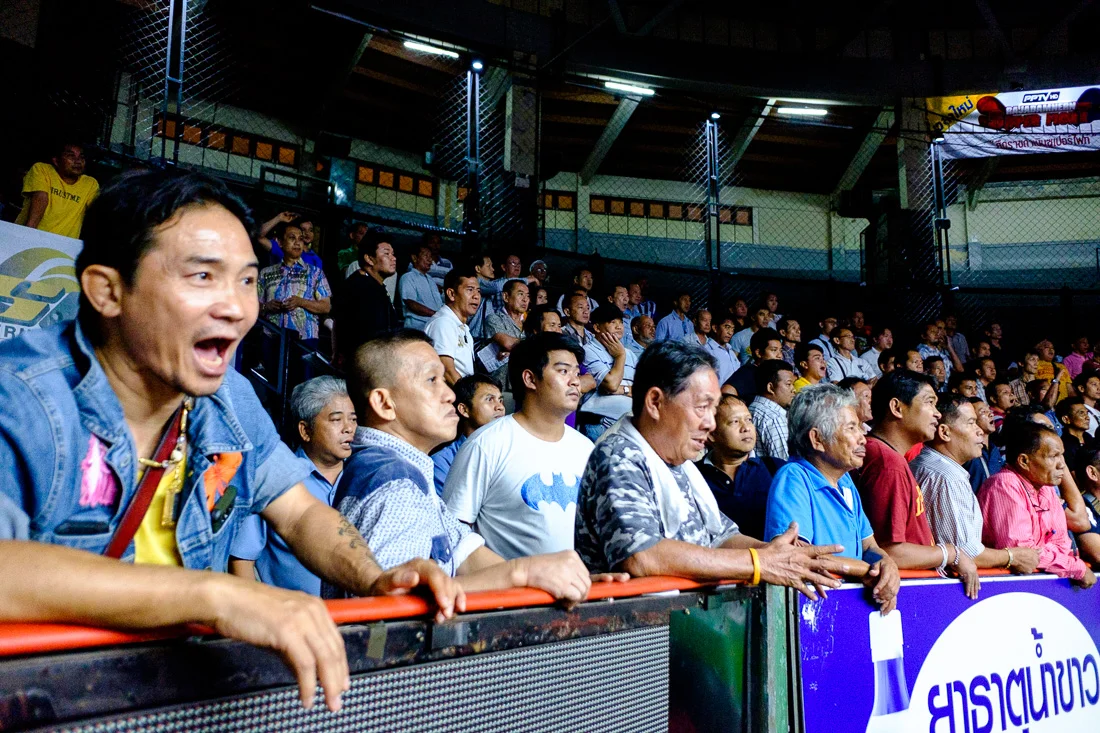
Gamblers communicate through hand signals to place bets on fighters. There is an undercurrent of organized crime in the sport.
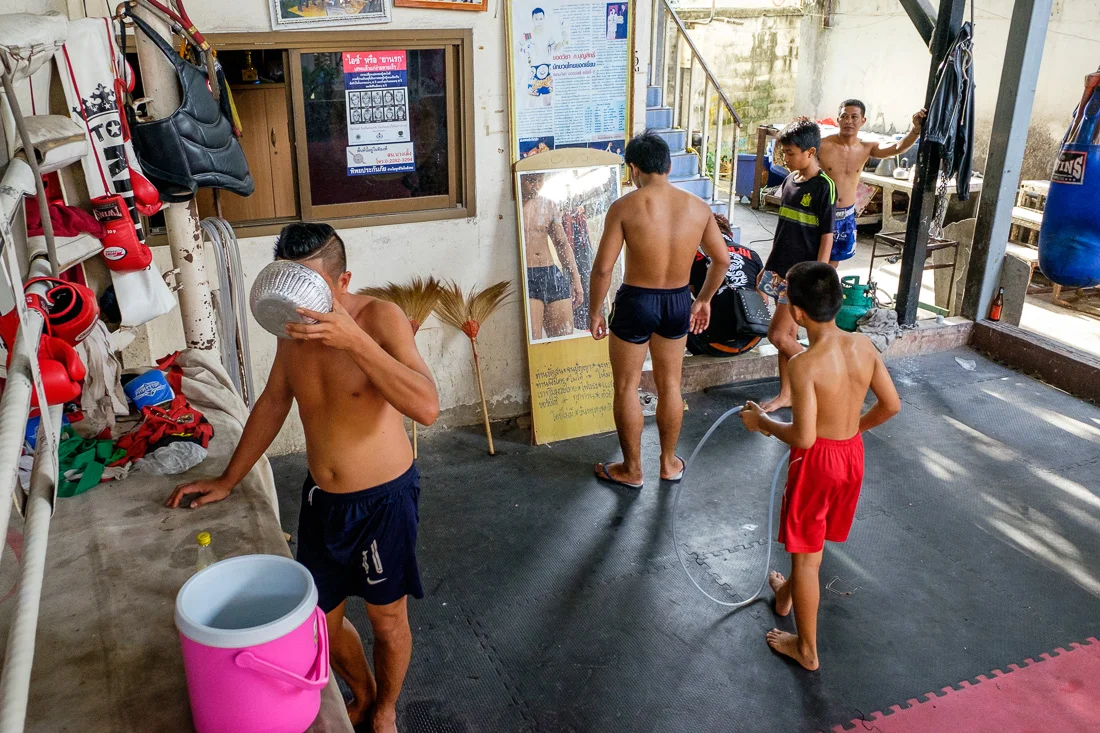
The path to big stadiums goes through Bangkok's talent-rich, cramped gyms where promising athletes are brought to live.
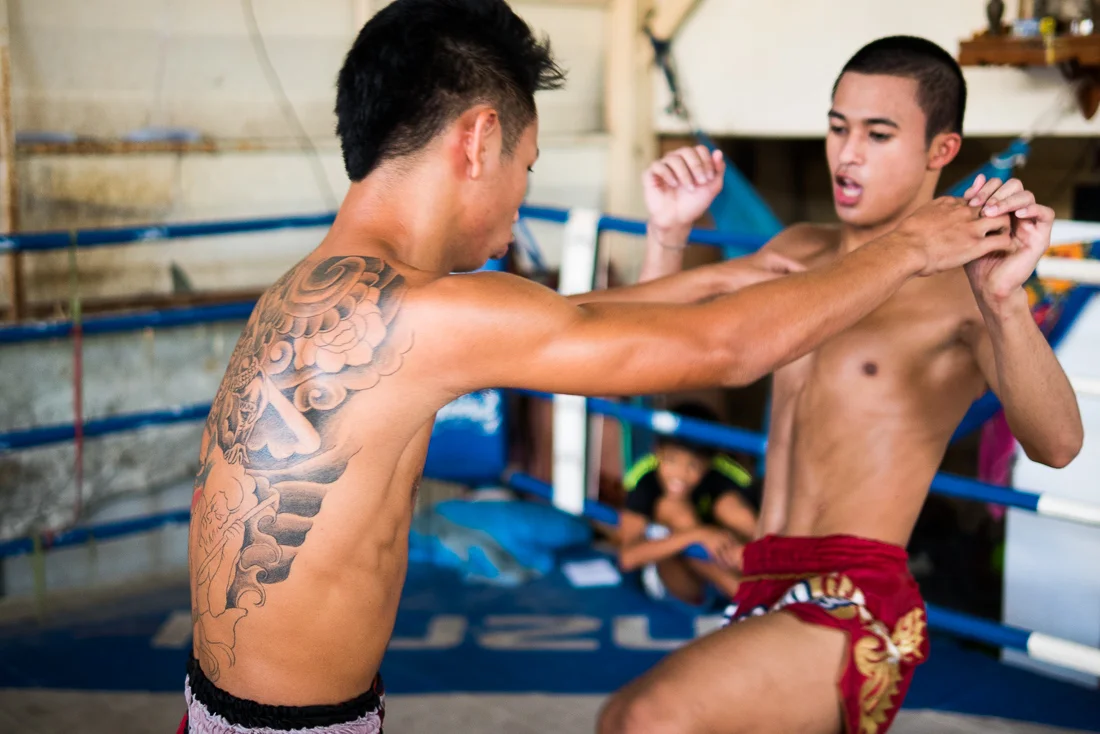
Thai boxing is more than meets the eye. The "Nak Muay," or Thai fighter, masters rhythm, timing, and speed.
A win in Bangkok's biggest stadium propels a fighter to bigger things. A select few ascend from the ranks to find riches and a name.
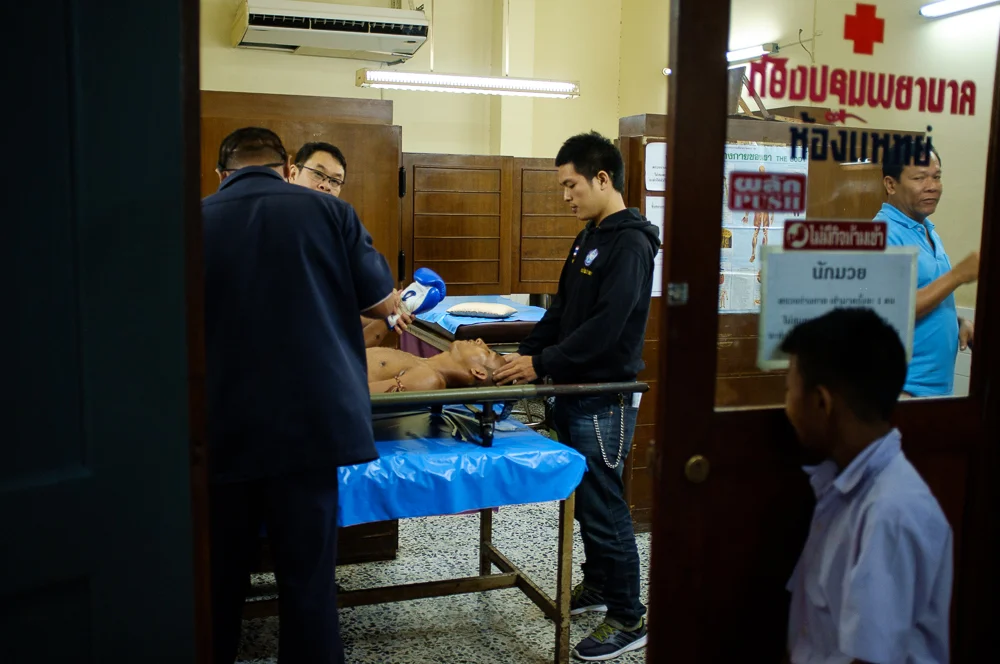
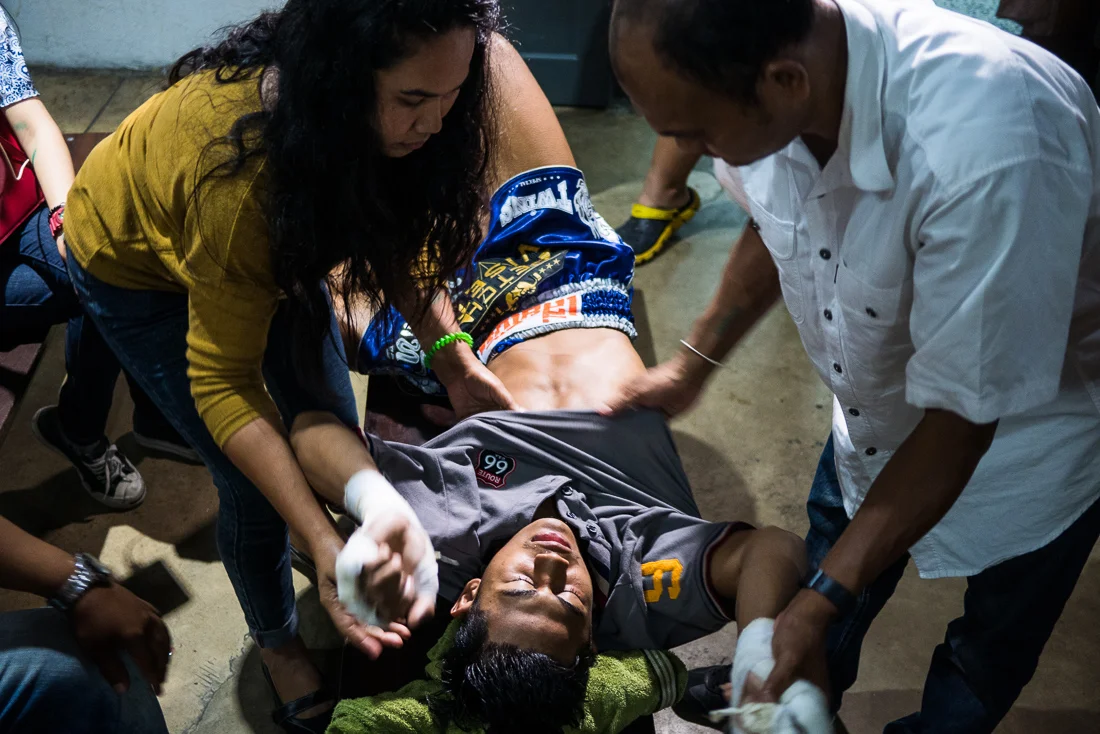
The path to riches is perilous. A young onlooker watches a fighter who’s been knocked out and removed by a stretcher.
Despite the risks, Muay Thai can rescue athletes from the life-long grinding poverty so prevalent in Thailand. There are no easy answers.